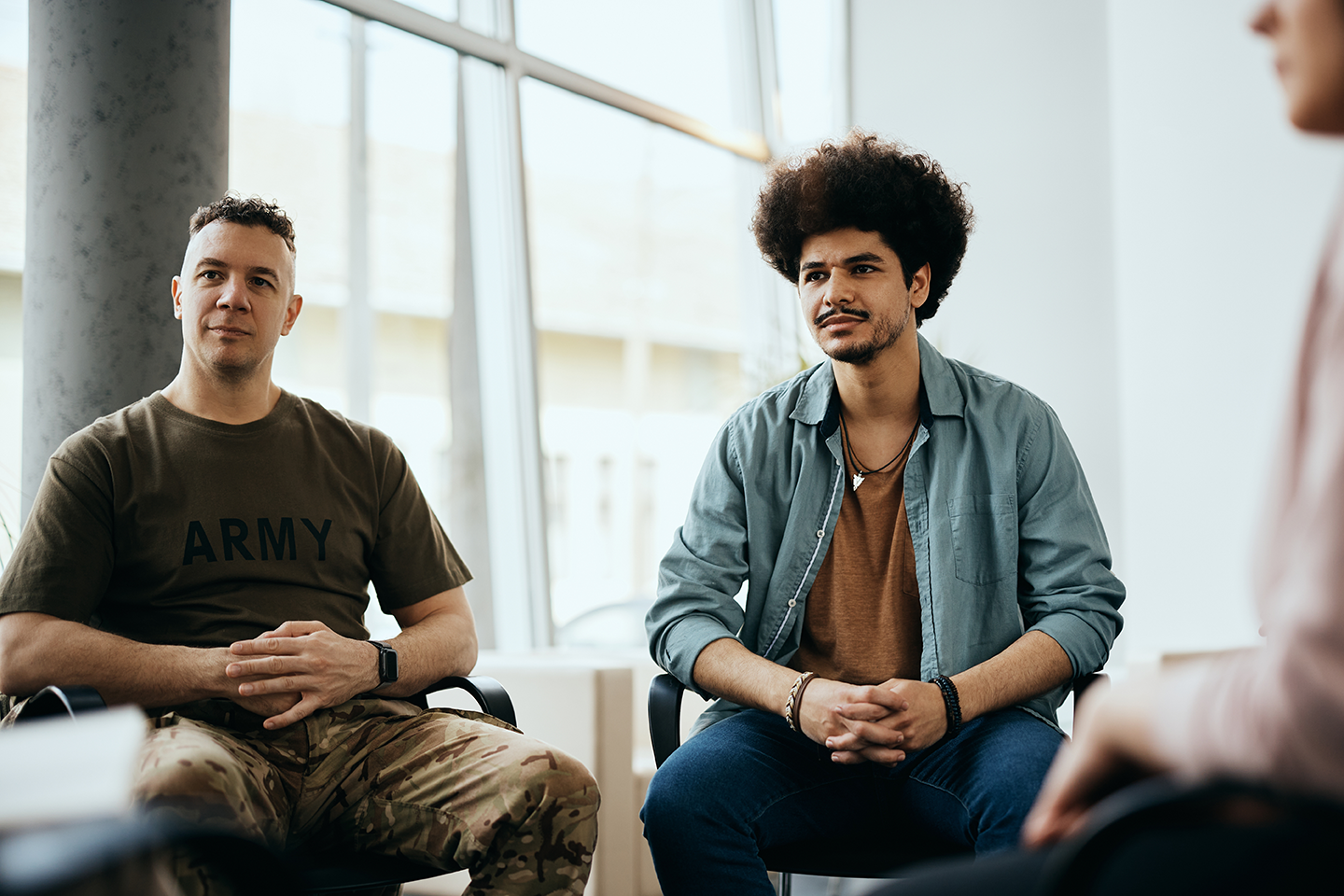
Experiences during military service can affect people long after deployment or active duty ends. For some veterans, the emotional impact of trauma fades gradually with time and support. For others, symptoms remain intense, return unexpectedly later in life, or begin surfacing months or years after the original events occurred.
Post-traumatic stress disorder (PTSD) is a real and recognized mental health condition that can develop after exposure to trauma, combat, violence, loss, life-threatening situations, or other overwhelming experiences connected to service.
PTSD is not a character flaw, a lack of discipline, or a failure to cope. It is a human response to experiences that can overwhelm the nervous system and leave lasting psychological effects.
How Trauma Can Shows Up
Trauma affects people differently. Some veterans experience symptoms immediately after difficult experiences. Others may continue functioning for years before symptoms become more noticeable, especially during periods of stress, transition, loss, retirement, illness, or major life change.
PTSD symptoms can include:
- nightmares or distressing dreams
- intrusive memories or flashbacks
- feeling emotionally numb or disconnected
- hypervigilance or constantly feeling “on guard”
- difficulty sleeping
- irritability or anger
- avoiding reminders of traumatic experiences
- panic, anxiety, or exaggerated startle responses
- difficulty concentrating
- emotional shutdown or withdrawal from relationships
Some veterans also experience moral injury, meaning emotional distress connected to events that conflict deeply with personal values, beliefs, or expectations of oneself and others.
Not every veteran with PTSD will experience the same symptoms, and many people continue working, parenting, leading, and functioning outwardly while struggling internally.
Why Many Veterans Delay Seeking Help
Many veterans are trained to push through discomfort, remain highly self-reliant, and prioritize the mission over personal needs. Those strengths can make it harder to recognize when support is needed.
Some veterans worry that asking for help means losing control, appearing weak, burdening family members, or revisiting experiences they would rather avoid thinking about altogether.
Others simply become used to living in survival mode for so long that symptoms begin to feel normal.
But PTSD is treatable, and support can make a meaningful difference.
When To Reach Out
Signs that it may be time to seek additional support can include:
- persistent nightmares or flashbacks
- emotional numbness or detachment
- ongoing hypervigilance
- increasing irritability or anger
- withdrawal from family or relationships
- substance use concerns
- hopelessness
- difficulty functioning day to day
- thoughts of self-harm or feeling like things will never improve
These experiences deserve attention, not silence.
Getting Support
Revive offers confidential, trauma-informed support for veterans and military families, including counseling for PTSD, combat stress, moral injury, traumatic loss, anxiety, depression, and transition-related challenges.
Support may include:
- licensed counselors experienced in military trauma
- virtual peer support with individuals who understand military culture and service experiences
- crisis counseling available 24 hours a day
- support for spouses and family members
- employee assistance resources, including legal and financial support services
Support is confidential and available whenever you are ready.
You served. You deserve care that respects the experiences you carry and the life you are continuing to build afterward.